Chasing Light: The Art of Capturing Fleeting Moments in Nature Photography
Chasing the perfect shot isn’t about luck—it’s about timing and skill. Capturing fleeting moments in nature photography demands more than just pointing and clicking; it’s an art that blends patience, technique, and a keen eye for light. Ready to peek behind the curtain of nature photography techniques that bring these stories to life? Let’s explore how each snap becomes a collector-grade treasure you’ll want on your wall.
Capturing Fleeting Moments

Ever watched birds in flight, mesmerized by their grace and speed? Capturing these moments is an art many aspire to master. Let’s dive into the techniques that make these moments eternal.
Anticipation in Photography
In photography, waiting is more than a virtue—it’s a strategy. You need to predict the scene before it unfolds. Imagine you’re in a forest, camera in hand, waiting for the perfect moment. Sounds thrilling, right? Most people think you just click and zap, the shot’s perfect. But here’s the key insight: it’s about anticipating the action, not reacting to it. By learning the habits of your subject, like when a bird is about to take flight, you can be ready to capture that breathtaking moment.
Fast Shutter Speed Settings
You know that blur you see in action shots? That’s what we’re avoiding. Fast shutter speed can freeze even the quickest movements. Think of a hummingbird’s wings—a blur to the naked eye, but with the right settings, each feather can be captured clearly. It’s like pressing pause on life’s fast forward. To achieve this, set your shutter speed to at least 1/1000th of a second. This setting ensures clarity in fast-paced scenes, making sure each detail pops.
Panning Technique for Motion
Capturing speed without losing focus can be tricky, but there’s a technique that helps. It’s called panning. Imagine following a moving car with your camera. By moving the camera along with the subject, you achieve a sharp subject against a blurred background, conveying a sense of motion. Start by setting your camera to a slower shutter speed, around 1/30th of a second. Practice on moving objects, like cars or cyclists, and soon, you’ll capture stunning action shots.
Techniques for Nature Photography
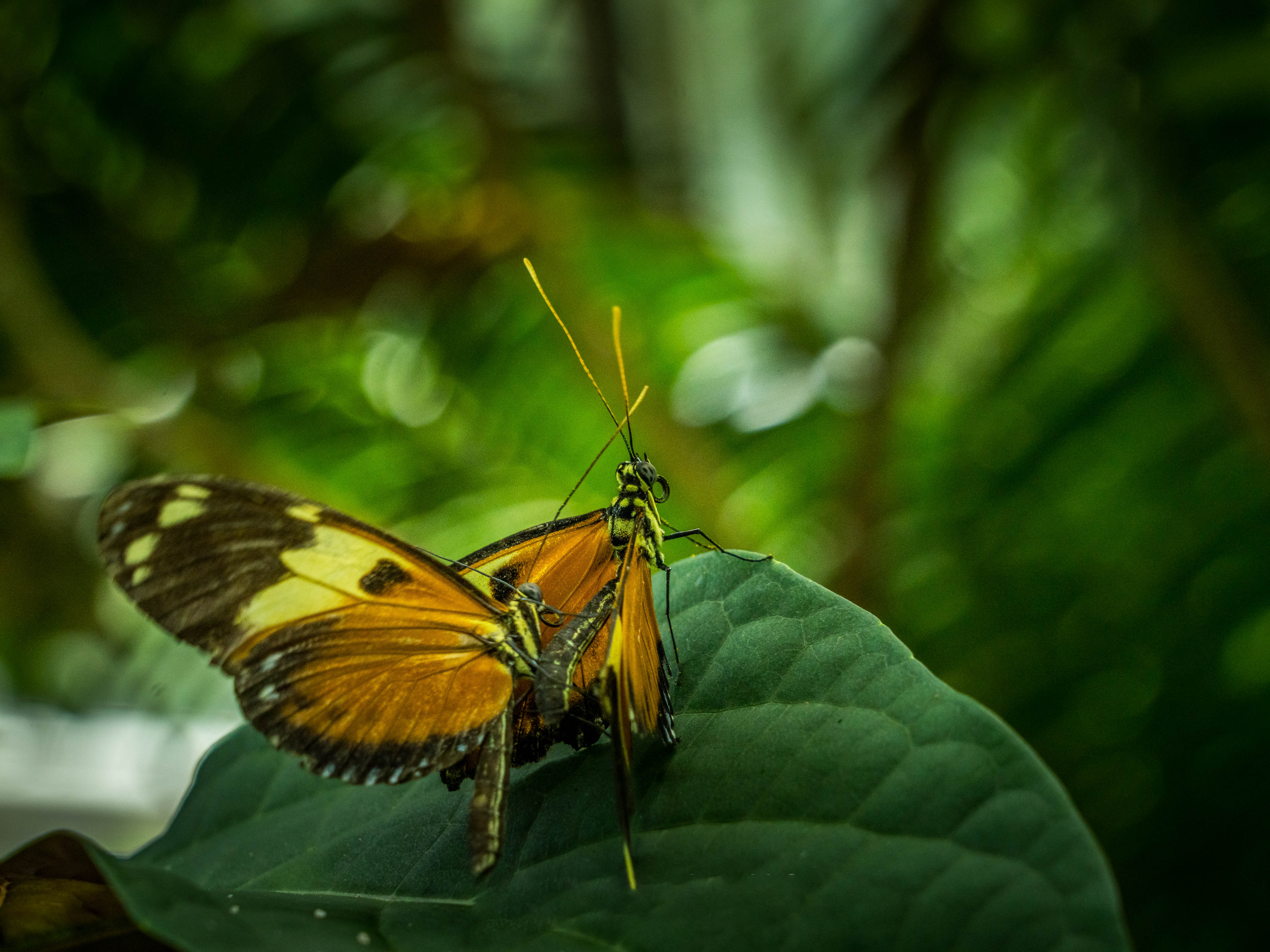
Nature is a stage, and with the right techniques, every scene can become a masterpiece. Here, we’ll explore some ways to make your nature photography stand out.
Golden Hour Photography Magic
Golden hour is a photographer’s best friend. During this time, the light is soft, warm, and simply magical. Picture this: a landscape bathed in golden hues, shadows stretched long, and colors more vibrant than ever. This is the magic hour when every snapshot becomes art. The golden hour occurs just after sunrise and before sunset. Plan your shoots during these times, and watch as your photos come alive with warmth and depth.
Bird Photography Techniques
Birds are nature’s acrobats, and capturing them requires skill and patience. Here’s how to get started: Find a good spot, preferably with the sun at your back. Stay still and quiet; let the birds come to you. Use a long lens to capture them without disturbing their natural behavior. Most people think bird photography is just about luck, but the secret is in understanding their patterns. Observe their behavior, and soon, you’ll predict their next move.
Landscape Photography Techniques
Landscapes tell stories of places and time. To capture these narratives, you need more than just a camera. Composition is key. Rule of thirds, leading lines, and framing can turn a simple scene into a breathtaking view. Try different angles: get low to the ground or climb higher for a broader perspective. Remember, patience is your ally here. Wait for the right light, the right moment. It’s all about timing.
The Art of Exclusive Photo Prints

Photography is more than capturing moments; it’s about creating art that lasts. Let’s explore how prints can transform photos into timeless pieces.
Investing in Art Prints
Art prints are not just decorations; they’re investments. Imagine owning a piece that not only beautifies your space but also appreciates over time. Art prints offer both aesthetic and financial value. They’re collector-grade treasures that elevate any room. If you’re considering investing, look for limited edition prints. These are rarer and often hold more value in the long run.
Archival Museum-Quality Prints
Quality matters. Museum-quality prints ensure your art stands the test of time. These prints use archival paper and inks, ensuring they don’t fade. It’s like preserving a piece of history, maintaining its beauty for generations. When selecting prints, ask about the materials used. You want something that lasts, something that tells a story even decades later.
Limited Edition Photography Prints
Limited edition prints are exclusive, making them highly sought after. They’re like the VIPs of the art world. Only a few are made, which makes them rare and unique. Collectors love them because they’re not just art; they’re a statement. Displaying a limited edition print is like welcoming a piece of the artist’s soul into your home. It’s a conversation starter, a legacy you can pass down.
By weaving these elements together, you create not just photos, but stories that resonate. Whether you’re capturing the swift movements of a bird, the serene beauty of a landscape, or the vibrant hues of golden hour, each moment is a testament to nature’s wonders. And when these moments are printed, they transform into art that transcends time, inviting viewers to see the world through your eyes.
Leave a Reply