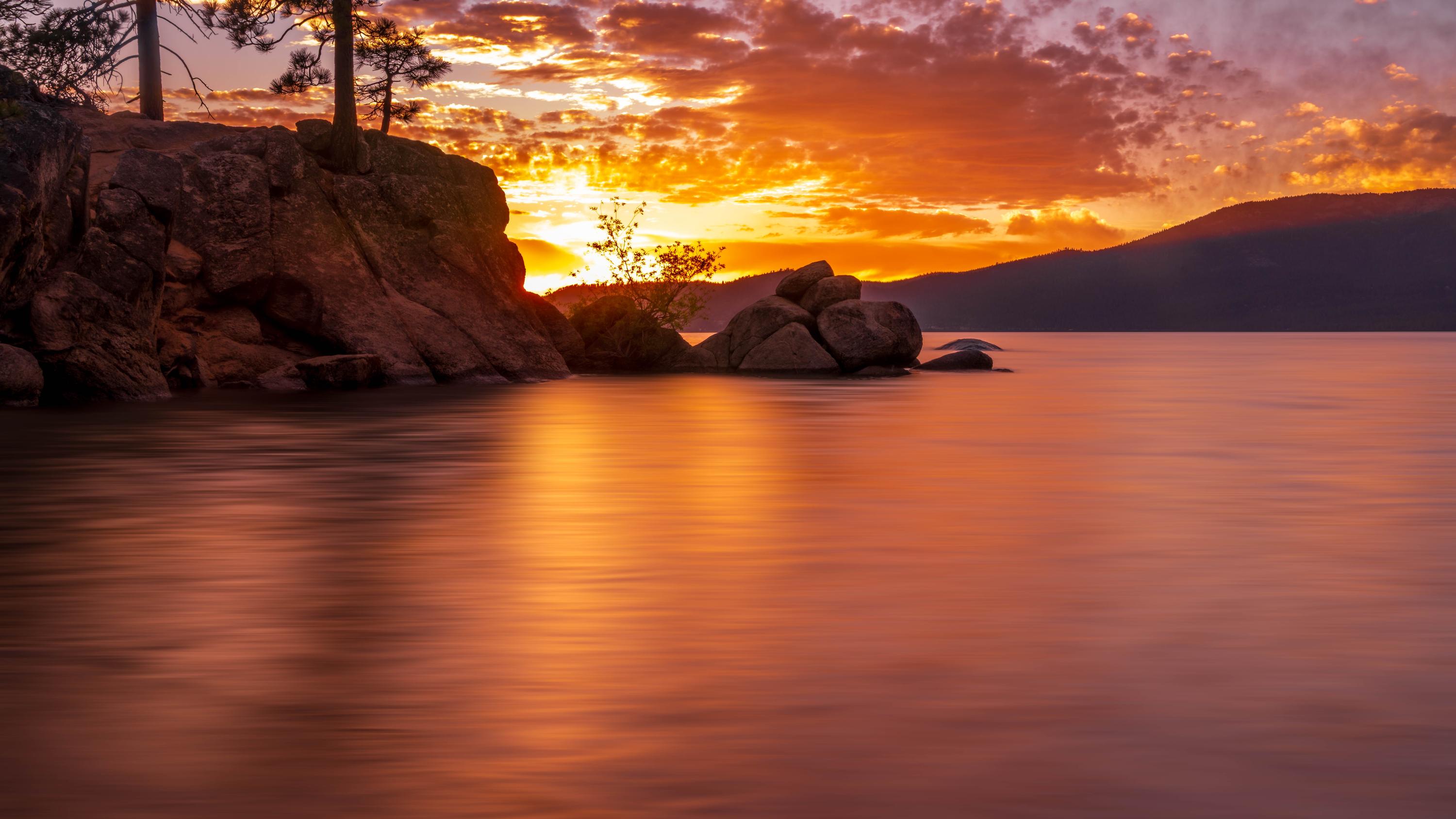
Forget the idea that photography is just about what you see at first glance. Every fine art photography piece holds a story waiting to unfold, a mood that pulls you in, and a quiet discipline in how the image is composed. Learning to read these layers changes how you collect and connect with art. Let’s explore how storytelling in photography, mood in photography, and visual restraint come together to create images that speak beyond the frame.
Storytelling in Photography
Photography is a tale spun through light and shadow. It pulls you closer, whispering stories that unfold in each frame.
Crafting a Narrative
Every picture tells a story. As a collector, you want to see beyond the surface. The narrative is crafted through the photographer’s lens. Each element in the frame, from the placement of subjects to the timing of the capture, plays a part in this visual storytelling. Imagine a quiet street at dawn. A lone figure walks, casting long shadows. You’re drawn into wondering about their journey. This curiosity is the essence of a photographic narrative.
The Photographer’s Journey
The photographer’s path shapes the tale. When you collect art, understanding the journey adds depth to your appreciation. Photographers often venture into unpredictable settings. They wait patiently for the perfect moment to capture. This journey is about more than just snapping a shot. It’s about connecting with the world, capturing fleeting moments, and reflecting them through a personal lens.
Reading the Story
How do you read a photograph’s story? Start by observing the details. Look for the interplay of light and shadow. Notice the expressions, the settings, and the timing. Each aspect weaves into a larger narrative. For example, a bird in flight showcases freedom and grace. Its wings spread wide against the sky, inviting you to pause and reflect.
Mood in Photography

While stories captivate, the mood envelops you like a mist. It’s an emotional embrace that colors your perception.
Atmosphere in Images
The atmosphere in a photograph sets the emotional tone. It’s the soft glow of a sunrise or the stark contrast of a stormy sky. The mood can change how you feel about the image. Consider a quiet landscape with fog rolling in. It invokes a sense of mystery and calm. As a collector, this atmospheric quality is what you connect with on a visceral level.
Subtle Color Grading
Colors whisper secrets in photography. They guide your emotions subtly. Imagine a photo with muted tones. It evokes nostalgia and tranquility. Bright colors, on the other hand, energize and uplift. When evaluating art, pay attention to these subtle gradations. They are the unseen hands that steer your feelings.
Emotional Connection
Photography has the power to move you. An image of a solitary tree against a sunset sky can stir feelings of solitude and peace. This emotional connection is a key element in collecting art. The longer you engage with a photo, the deeper the bond you form with it. It’s this bond that makes art a cherished part of your collection.
Visual Restraint and Composition

From mood to minimalism, restraint in composition invites focus and contemplation.
Minimalist Composition
Less can be more in photography. Minimalist composition strips away distractions, leaving only the essence. A single flower against a vast field speaks volumes. This simplicity directs your gaze, allowing you to appreciate the subject’s purity. Collectors often find that minimalist works offer clarity and peace.
Compositional Balance
Balance brings harmony to an image. It’s about how elements interact within the frame. Think of a symphony, each note perfectly placed. In photography, balance ties together the story and mood. It’s the symmetry of a landscape or the equilibrium in a portrait. Balance can make an image feel complete and satisfying.
Embracing Simplicity 🌿📸
Simplicity in photography doesn’t mean a lack of depth. Instead, it’s an invitation to look closer. To truly see. Consider a photograph of a calm lake at dusk. The surface reflects the sky, creating a sense of endlessness. This simplicity invites you to pause, to breathe, and to connect with the art on a deeper level.
Frequently Asked Questions
What makes a good photographic narrative?
A good photographic narrative captures a moment that tells a compelling story. It combines elements like timing, subject, and emotion, drawing you into the scene and making you curious about the larger context.
How does color affect the mood of a photograph?
Color in photography can set the emotional tone of an image. Warm colors like reds and oranges can evoke feelings of warmth and energy, while cool tones like blues and greens often convey calmness and serenity.
Why is balance important in composition?
Balance in composition creates harmony in a photograph. It ensures that all elements within the frame work together, providing a sense of completeness and satisfaction to the viewer.
By understanding the layers of storytelling, mood, and visual restraint, you gain a richer appreciation for photography. These elements help you connect deeply with each piece, making your collection more meaningful and engaging.
Leave a Reply