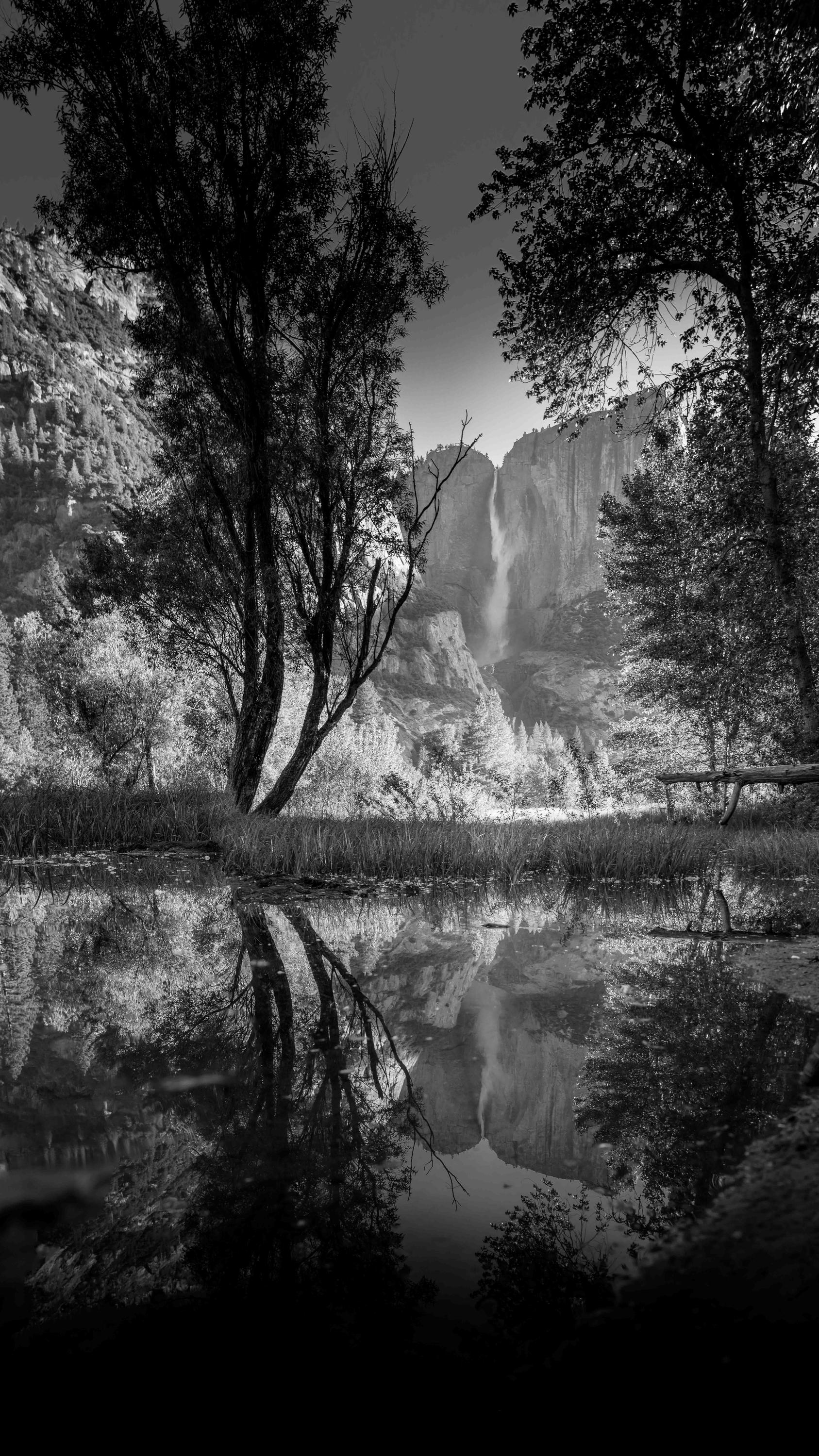
Quiet moments in fine art photography often speak louder than the loudest scenes. You might think bold colors or busy frames grab the most attention. Yet, those subtle, slow, and intentional shots—quiet subjects—linger in your mind long after you look away. Let’s explore why stillness in art holds a unique power and how mindful photography captures stories that stay with you.
The Art of Quiet Subjects
Fine art photography can often make a statement without making a sound. Silent moments captured in photos speak volumes, inviting viewers to pause and reflect.
Why Silence Captivates
Quiet subjects in photography hold a power that isn’t always obvious at first glance. These understated elements draw you in, encouraging a deeper connection. Instead of overwhelming the senses, they invite you to explore the nuances and textures hidden within the frame. This quiet allure is what makes these photos linger in the memory. It’s not the noise, but the silence that leaves a lasting mark.
Finding Beauty in Stillness
In a world where everything moves so fast, stillness can be a breath of fresh air. Quiet subjects in fine art photography remind us to pause and appreciate the calm. These images capture the essence of a moment, highlighting the beauty found in simplicity. Whether it’s a tranquil landscape or a solitary figure, these photos bring forth a sense of peace. They urge us to slow down and savor the details that might otherwise be missed.
The Power of Understatement
Subtlety can be a powerful tool in photography. By focusing on minimalist elements, you’re able to convey a message without saying too much. This understated approach allows viewers to engage their imagination and interpret the image in their own way. It’s this power of understatement that gives quiet subjects their strength, making them not just images, but stories waiting to be discovered.
Crafting Contemplative Photography

Creating contemplative photography involves more than just snapping a picture. It’s about crafting an image that resonates and invites reflection.
Slow Photography Secrets
Slow photography is all about the process. It’s not just about the final image, but the journey. By taking your time, you can capture the essence of a moment that might otherwise slip away. The key is patience: waiting for the right light, the perfect composition, and the moment when everything aligns. This careful approach allows for a deeper connection with the subject, creating images that are thoughtful and deliberate.
The Dance of Texture and Light
Texture and light are crucial elements in contemplative photography. They add depth and dimension, turning a simple image into a rich tapestry of detail. The interplay between these elements can transform a mundane scene into something extraordinary. By paying attention to how light interacts with textures, you can create images that intrigue and captivate the viewer. This dance of light and texture is where the magic of photography truly happens.
Creating Narrative Depth
Every photo tells a story, and creating narrative depth is about making that story resonate. It’s about going beyond what the eye can see and capturing the emotion and essence of the subject. By focusing on quiet subjects, you allow viewers to fill in the gaps and engage with the image on a personal level. This creates a more meaningful connection, turning a simple photo into an evocative narrative.
Building Connection Through Visual Storytelling

Photography is a way to connect with the world and with others. Through visual storytelling, we can share our perspectives and invite others to see the world through our eyes.
Behind the Scenes Photography Insights
Every photograph has a story behind it. The planning, the waiting, and the anticipation all contribute to the final image. By sharing these behind-the-scenes insights, you invite others into your creative process. This transparency fosters a deeper connection, allowing viewers to appreciate not just the final product, but the journey that led to it.
The Role of Nature in Art
Nature plays a pivotal role in photography. It’s an endless source of inspiration, offering a variety of textures, colors, and moods. By incorporating elements of nature into your art, you tap into a universal language that speaks to everyone. Nature photography allows us to connect with the world, reminding us of our place within it.
Inviting Conversations with Collectors
Photography can spark conversations and build relationships. By engaging with collectors, you open the door to discussions about art, technique, and inspiration. These conversations enrich the experience for both the artist and the viewer, creating a community around the shared love of photography.
😊📸🌿
Frequently Asked Questions
Why do quiet subjects leave a lasting impression in photography?
Quiet subjects often resonate because they invite viewers to pause and engage on a deeper level. Their subtlety allows for personal interpretation, creating a unique connection with the viewer.
How does slow photography enhance the creative process?
Slow photography emphasizes patience and intentionality. By taking your time, you can capture moments that feel more genuine and deeply connected to the subject, leading to more contemplative images.
What role does nature play in fine art photography?
Nature provides an endless source of inspiration, offering diverse textures, colors, and moods. It helps create a universal connection in art, reminding us of our shared world and the beauty within it.
Leave a Reply